/ 뉴스 / 업계 뉴스 / What Makes a Centrifugal Industrial Blower Right for Your System?

업계 뉴스

What Makes a Centrifugal Industrial Blower Right for Your System?

Apr 03,2026

산업용 공기 처리 응용 분야에서는 상당한 저항에 맞서 공기를 이동시키는 능력이 공정 효율성과 시스템 신뢰성을 결정합니다. 는 원심 산업용 송풍기 stands as the preferred solution for applications requiring high static pressure, consistent airflow, and durability in demanding environments. 이 기사에서는 최적의 공기 이동 솔루션을 찾는 엔지니어 및 조달 전문가를 위한 설계 원칙, 선택 기준 및 적용 고려 사항에 대한 기술적 검토를 제공합니다.

원심 송풍기 기술 이해

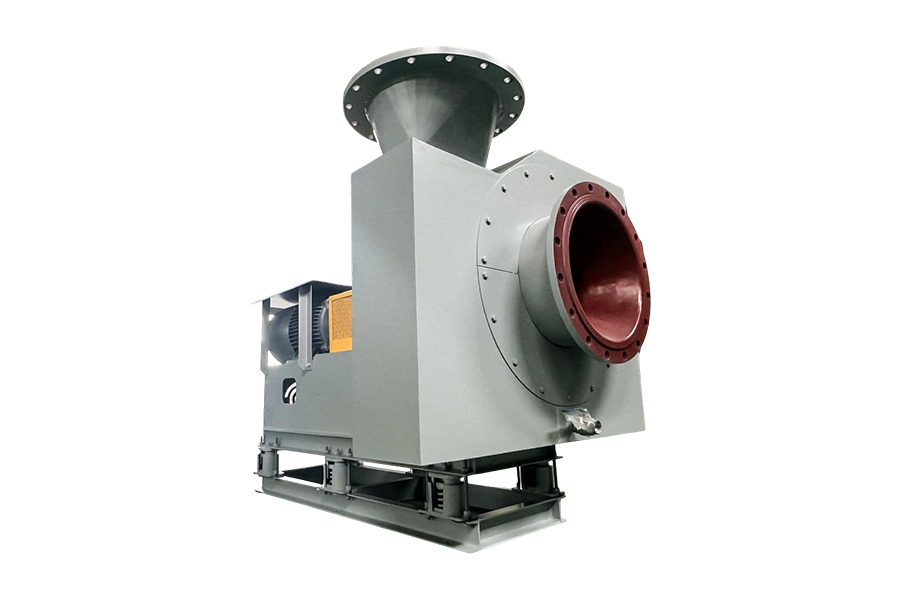
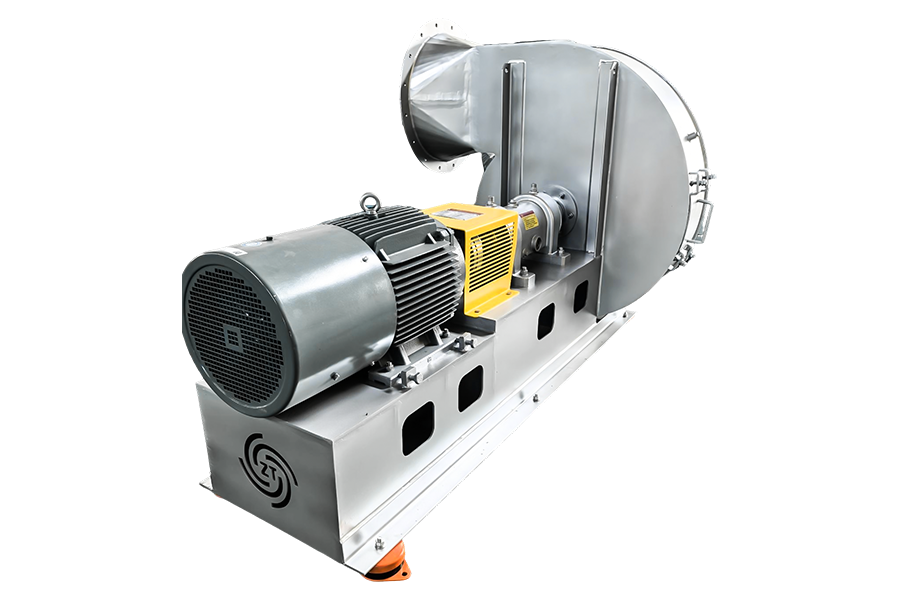
에이 원심 산업용 송풍기 operates by drawing air into the center of a rotating impeller and accelerating it outward through centrifugal force. This action converts rotational energy into kinetic energy, which then converts to pressure as air exits through the scroll housing. 엔지니어들은 10~50인치의 수위계에서 정압을 생성할 수 있는 능력으로 인해 이 설계를 높이 평가하여 덕트 시스템, 집진 및 공압 이송 응용 분야에 적합하게 만듭니다.

엔지니어를 위한 주요 기술 매개변수

When evaluating centrifugal blower systems, engineers must examine several critical parameters that determine system performance and longevity.

  • 에이irflow Capacity : Measured in cubic feet per minute (CFM), this defines the volume of air moved at specific pressure conditions.
  • 정압 : Measured in inches of water gauge (in. wg), this indicates the resistance the blower can overcome.
  • 임펠러 유형 : Forward-curved, backward-inclined, radial, or airfoil designs each offer distinct performance characteristics.
  • 팬 속도 : Operating RPM affects both airflow and noise generation, with direct-drive and belt-drive configurations available.
  • 하우징 구성 : 에이rrangement of inlet and discharge positions affects installation flexibility and system integration.

의 선택 원심 산업용 송풍기 directly impacts energy consumption, with properly matched systems achieving efficiencies of 75% to 85% at design operating points.

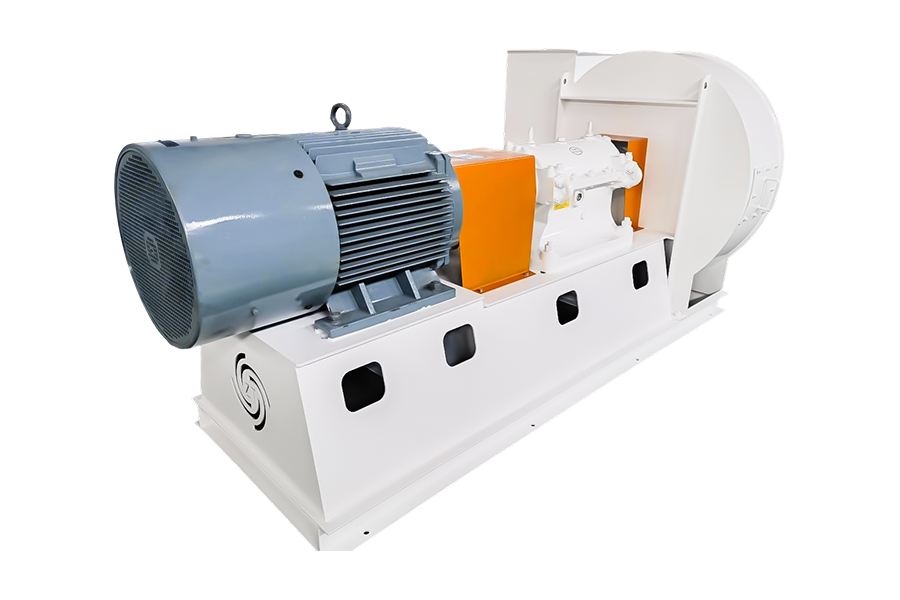
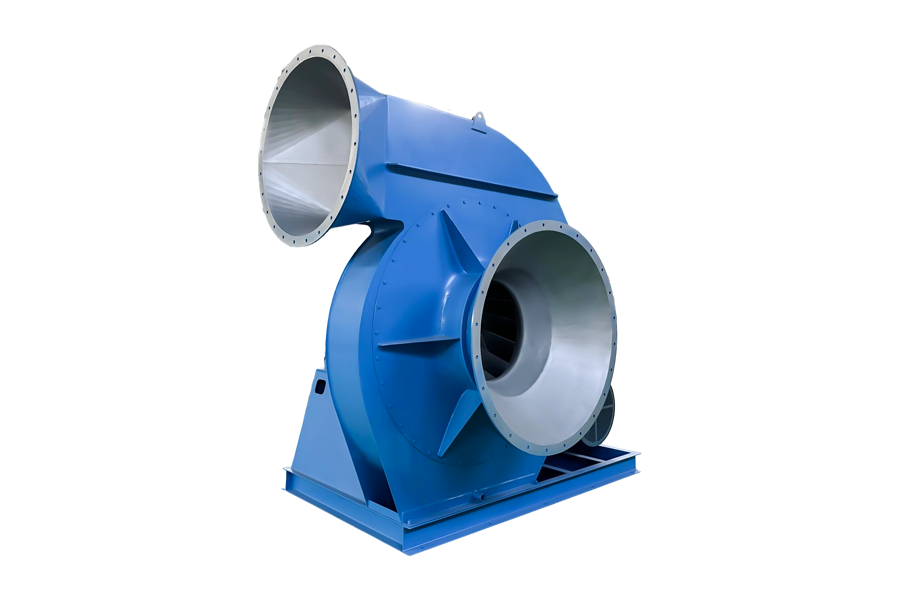
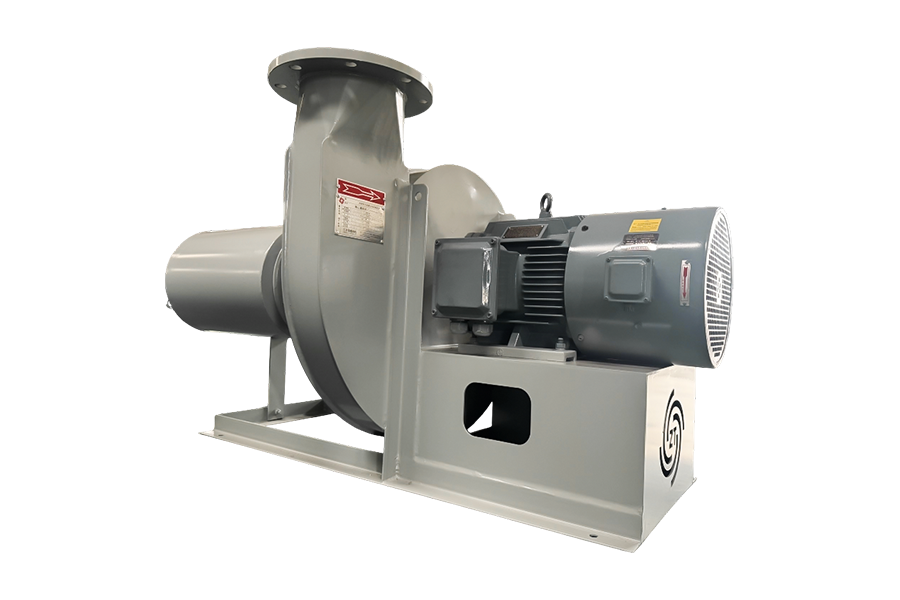
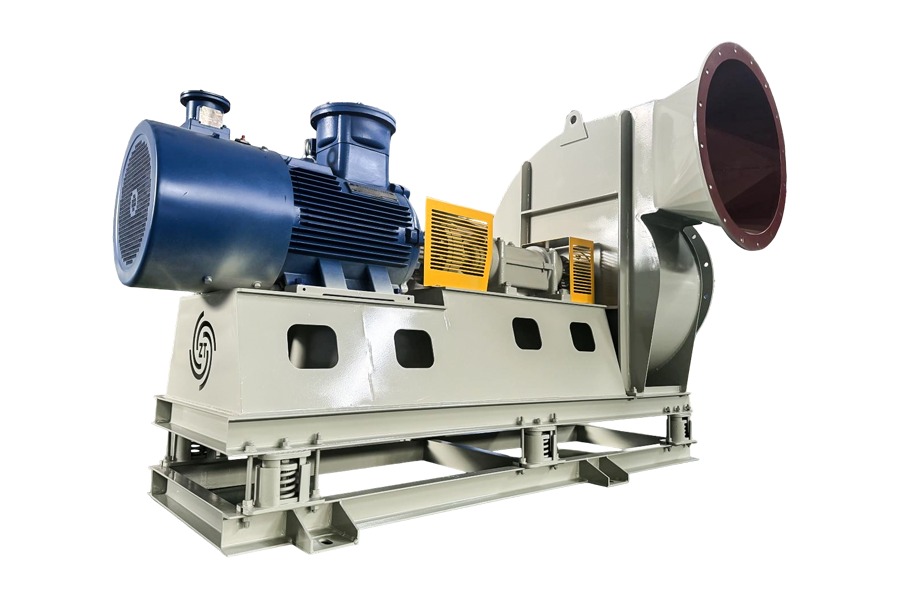
Centrifugal Industrial Blower

문맥에 따른 검색 빈도가 높은 롱테일 키워드

To address specific user intents, we focus on five high-search long-tail keywords that represent common procurement and engineering scenarios.

  • centrifugal industrial blower for dust collection : 는se units feature backward-inclined or radial impellers designed to handle particulate-laden air streams without material accumulation.
  • 고압 원심 산업용 송풍기 : Engineered for applications requiring static pressures exceeding 30 in. wg, such as pneumatic conveying systems and combustion air supply.
  • 스테인레스 스틸 원심 산업용 송풍기 : Corrosion-resistant construction specified for chemical processing, food production, and wastewater treatment environments.
  • 후방 경사 원심 산업용 송풍기 : 에이 non-overloading impeller design that maintains efficiency across varying system conditions and handles moderate particulate loads.
  • custom centrifugal industrial blower manufacturer : Engineering firms that provide bespoke solutions for unique dimensional, performance, or material specifications.

비교 분석: 원심 임펠러 유형

The impeller design fundamentally determines blower performance characteristics. Each impeller type offers distinct advantages for specific applications. The following comparison highlights the differences among common centrifugal impeller configurations.

For applications involving particulate handling, a centrifugal industrial blower for dust collection typically utilizes radial or backward-inclined impellers. 아래 표에는 주요 차이점이 요약되어 있습니다.

임펠러 유형 압력 특성 효율 범위 미립자 처리 일반적인 응용 분야
전방 곡선 낮음~보통 65% - 70% 나쁨, 축적되기 쉬움 HVAC, 저압 애플리케이션
후진적 성향 보통에서 높음 75% - 85% 좋음, 자동 청소됨 집진, 산업용 환기
레이디얼(패들휠) 높음 65% - 70% 우수하고 견고한 구조 자재 취급, 무거운 미립자
에이irfoil 높음 80% - 85% 가난하고 깨끗한 공기만 깨끗한 공기 HVAC, 공정 공기

선택 및 통합을 위한 엔지니어링 고려 사항

오른쪽 선택 원심 산업용 송풍기 requires systematic evaluation of application conditions, system constraints, and operational requirements. 경험이 풍부한 사람과 함께 일하기 custom centrifugal industrial blower manufacturer ensures proper specification and reliable performance.

시스템 설계 및 성능 최적화

Engineers must calculate system resistance curves before selecting blower equipment. The operating point occurs at the intersection of the fan performance curve and the system resistance curve. Oversized blowers operate inefficiently at reduced flow, while undersized units fail to achieve the required airflow. 가변 주파수 드라이브(VFD)를 사용하면 송풍기 속도를 실제 수요에 맞춰 정속 작동에 비해 에너지 소비를 30~50% 줄일 수 있습니다. 에 대한 고압 원심 산업용 송풍기 applications, VFD control also provides soft-start capabilities that reduce mechanical stress on bearings and drive components.

Material Selection and Environmental Compatibility

부식성 환경의 경우, 스테인레스 스틸 원심 산업용 송풍기 construction provides superior longevity compared to coated carbon steel. 유형 304 스테인리스강은 습기 또는 약한 화학 물질과 관련된 대부분의 산업 응용 분야에 적합한 반면, 유형 316은 해양 환경 또는 부식제를 사용한 화학 처리에 대한 향상된 염화물 저항성을 제공합니다. For applications involving combustible dust, non-sparking aluminum impellers with spark-resistant construction are essential to meet NFPA standards.

에이pplication-Specific Insights

Different industries impose unique demands on centrifugal blower systems. 목공 및 금속 가공 분야에서는 centrifugal industrial blower for dust collection must handle heavy particulate loads without impeller imbalance, making backward-inclined impellers the preferred choice. 공압 이송 시스템의 경우, 고압 원심 산업용 송풍기 with radial impeller construction provides the pressure capability required for moving bulk materials through long pipeline runs. 에서 소싱할 때 custom centrifugal industrial blower manufacturer , 시설 관리자는 기존 시스템 요구 사항에 맞게 정확한 흡입 및 배출 방향, 장착 구성 및 특수 코팅을 지정할 수 있습니다.

The 후방 경사 원심 산업용 송풍기 has gained popularity across multiple industries due to its non-overloading power characteristic. As system resistance increases, the power consumption peaks and then declines, preventing motor overload during upset conditions. This self-limiting characteristic makes it suitable for variable system conditions such as filter loading in dust collection applications.

품질 보증 및 조달 표준

산업 조달의 경우, 인정된 표준 준수 여부를 확인하면 일관된 품질과 안전성이 보장됩니다. Reputable manufacturers adhere to AMCA (Air Movement and Control Association) standards for performance testing and certification. 주요 조달 문서에는 다음이 포함되어야 합니다.

  • 에이MCA certified performance curves with certified sound power level data.
  • Motor efficiency documentation meeting NEMA Premium or IE3 standards.
  • Material certifications and coating specifications for corrosion protection.
  • Balance certification to ISO 1940 G6.3 or better for reliable operation.
  • Welding certifications and non-destructive test reports for critical applications.

기존 기업과의 파트너십 custom centrifugal industrial blower manufacturer 대규모 산업 운영에 필수적인 엔지니어링 지원, 교체 부품 가용성 및 문서화된 품질 시스템에 대한 액세스를 제공합니다.

자주 묻는 질문(FAQ)

1. What is the difference between a centrifugal industrial blower and an axial fan?

에이 원심 산업용 송풍기 moves air radially outward from the impeller center, generating high static pressure suitable for overcoming duct system resistance. An axial fan moves air parallel to the fan shaft, producing high volume airflow at relatively low pressure. 긴 덕트 연결, 여과 시스템 또는 상당한 저항을 통한 공기 이동이 필요한 응용 분야의 경우 원심 송풍기가 적절한 선택입니다. For open area ventilation or low-resistance cooling applications, axial fans typically provide adequate performance at a lower initial cost.

2. How do I calculate the required static pressure for my system?

정압 요구 사항을 결정하려면 원심 산업용 송풍기 , 전체 시스템 저항을 계산해야 합니다. 직선 덕트 마찰 손실(일반적으로 100피트당 0.05~0.10인치 wg), 피팅 손실(엘보우, 전환 및 댐퍼), 필터 압력 강하(필터 부하에 따라 증가) 및 터미널 장치 손실(후드, 노즐 또는 배출구)을 포함한 모든 구성 요소의 압력 손실을 합산합니다. Most industrial ventilation systems require a total static pressure between 5 and 20 in. wg. For complex systems, computer-aided duct design software or professional engineering analysis is recommended.

3. What maintenance practices extend the service life of centrifugal industrial blowers?

Proper maintenance significantly extends the operational life of a 원심 산업용 송풍기 . Key practices include regular vibration monitoring to detect bearing wear or impeller imbalance before failure occurs. Monthly belt tension inspection for belt-driven units prevents premature bearing and pulley wear. Quarterly cleaning of impellers prevents imbalance from material accumulation. Annual lubrication of bearings according to manufacturer specifications prevents premature failure. For facilities with corrosive environments, routine inspection of coatings and touch-up of damaged areas prevents corrosion progression. 예측 유지 관리 프로그램을 구현하는 시설은 일반적으로 고품질 원심 송풍기 장비를 통해 20~25년의 서비스 수명을 달성합니다.

4. When should I specify a 후방 경사 원심 산업용 송풍기 over other impeller types?

에이 후방 경사 원심 산업용 송풍기 is the preferred choice for applications requiring moderate to high pressure (5 to 25 in. wg) with clean to moderately dirty air streams. The non-overloading power characteristic prevents motor overload as system resistance changes, making it ideal for variable system conditions such as dust collection with loading filters or variable volume systems. 무거운 미립자, 연마성 물질 또는 끈적한 오염 물질이 있는 응용 분야의 경우 방사형 임펠러는 뛰어난 내구성과 세척성을 제공합니다. 최대 효율이 요구되는 청정 공기 응용 분야의 경우 에어포일 임펠러는 최고의 효율을 제공하지만 깨끗한 작동 조건이 필요합니다.

참고자료

  • 에이ir Movement and Control Association International. AMCA 210: Laboratory Methods of Testing Fans for Certified Aerodynamic Performance Rating.
  • 에이merican Society of Heating, Refrigerating, and Air-Conditioning Engineers. ASHRAE Handbook - HVAC Systems and Equipment, 2020 Edition.
  • 에이merican Conference of Governmental Industrial Hygienists. Industrial Ventilation: A Manual of Recommended Practice for Design, 30th Edition, 2019.
  • 전국화재예방협회. NFPA 70: National Electrical Code, Article 500 - Hazardous Locations.
  • 미국 에너지부. "Improving Fan System Performance: A Sourcebook for Industry," 2021.
  • 국제표준화기구. ISO 1940-1: Mechanical vibration - Balance quality requirements for rotors in rigid balance condition.

문의하기

귀하의 이메일 주소는 공개되지 않습니다. 필수 입력란은 표시되어 있습니다*
[#입력#]